The New Wave of Voice Clones: How AI-Powered Vishing is Redefining Cyber Security
The Evolution of Vishing and Voice Cloning
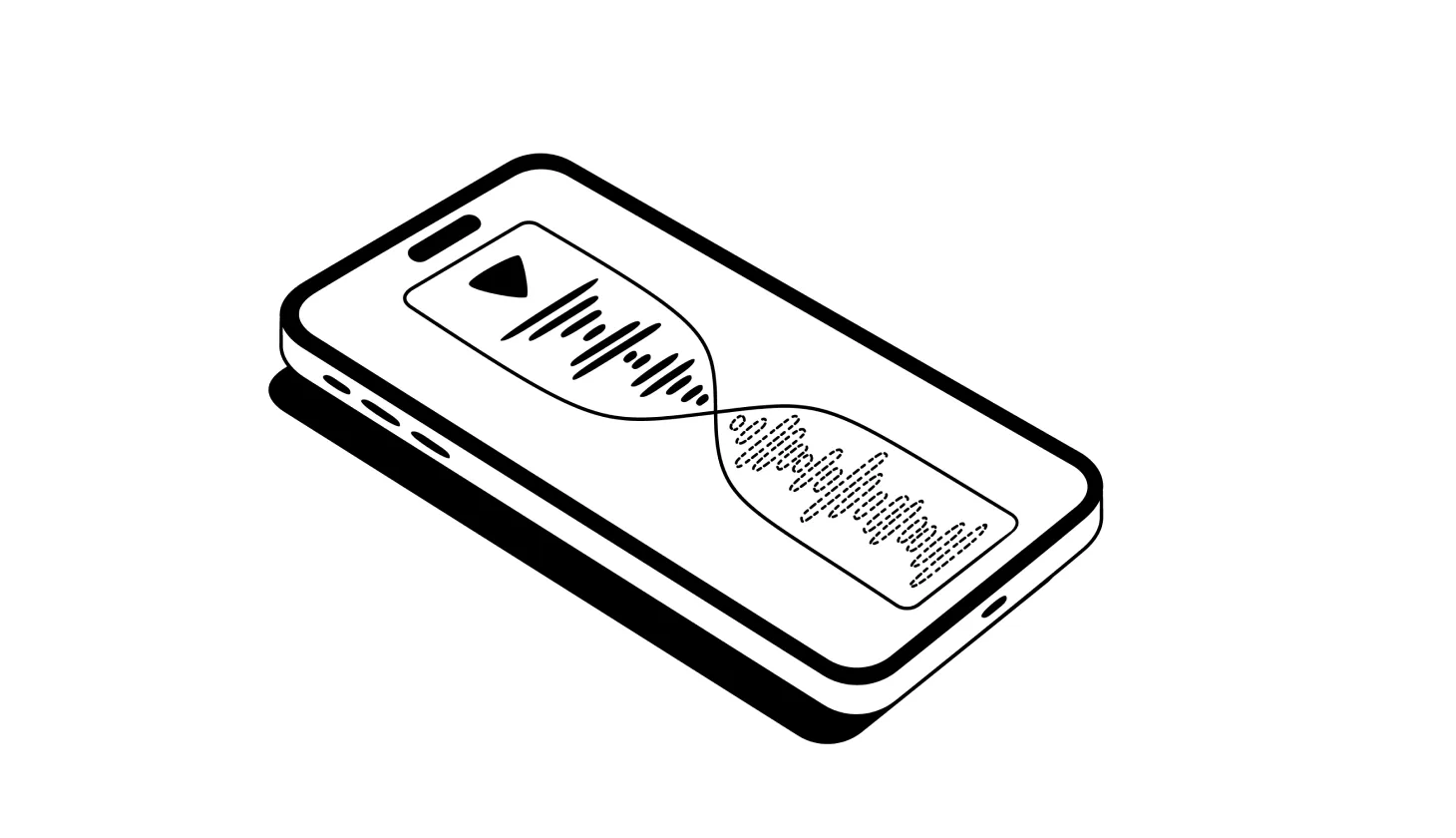
Generative artificial intelligence has transformed the landscape of cybercrime, turning basic voice phishing into a sophisticated threat known as deepfake voice fraud. Cybercriminals now require as little as three seconds of audio to clone an individual's voice with high accuracy. This technology is being deployed to execute highly convincing impersonation scams targeting both families and corporate entities. Since 2020, overall phishing and scam activity has surged by 95 percent, with millions of fraudulent pages appearing monthly, according to data from Bolster.ai. Cyber security analysts at Okta estimate that global losses from AI-powered scams could exceed 10 trillion dollars by 2025.
How AI Supercharges Social Engineering
The classic era of easily spotted email scams, historically characterized by obvious spelling and grammar errors, is being replaced by polished, AI-generated communications. Dave Schroeder, a national security research strategist at the University of Wisconsin-Madison, explains that scammers use generative AI as a job aid to automate and supercharge existing tactics. In the corporate sector, this manifests as vishing, where attackers clone the voice of a company executive to request urgent financial transfers. For individuals, criminals often employ grandparent scams, impersonating distressed relatives who claim to need immediate cash for an emergency. According to FBI data, financial crimes conned senior citizens out of approximately 3.4 billion dollars in 2023. Microsoft has warned that these advanced AI scams are among the top threats Nigerian users must watch out for as cybercriminals localize these automated tactics. Security experts note that these attacks succeed by targeting the limbic system, triggering an emotional, fear-based response that impairs logical judgment.
Securing the Line with Safe Words and Verification
To counter the rise of hyper-realistic voice clones and spoofed phone numbers, cybersecurity experts recommend establishing a family safe word or phrase. James Scobey, chief information security officer at Keeper Security, advises creating a unique passphrase consisting of at least four words. This safe phrase should exclude easily guessable or publicly researchable information, such as street names, alma maters, phone numbers, or individual names. When receiving an urgent or suspicious call, individuals should ask for this predetermined safe word to verify the caller's identity. If the caller cannot provide it, the target should immediately hang up and contact the family member directly through a trusted number. For businesses, implementing strict verification protocols for financial transactions is critical to preventing executive impersonation fraud.
What this means for Africa: As AI-powered voice cloning tools become highly accessible, Nigerian businesses and individuals must move away from traditional security assumptions and adopt strict voice-verification protocols like family safe words to combat sophisticated vishing attacks.
This digest was compiled from:
- https://www.aura.com/learn/ai-voice-scams
- https://kymatio.com/blog/vishing-deepfake-voice-ceo-fraud
- https://www.cbsnews.com/news/elder-scams-family-safe-word
- https://it.wisc.edu/news/ai-powered-scams-how-to-protect-yourself-2024
- https://www.mcafee.com/learn/a-guide-to-deepfake-scams-and-ai-voice-spoofing
Share this digest
People Also Ask
- MarkHack 5.0 Launches in Lagos to Address AI Personalisation and the Culture Algorithm
MarkHack 5.0 will gather African innovators in Lagos to explore how artificial intelligence and data-driven systems shape modern consumer experiences.
- Nobel-Winning Economist Daron Acemoglu Shares His AI Concerns
Nobel-winning economist Daron Acemoglu highlights AI agents' limitations and the industry's push to shape the economic narrative around job concerns.
- The Rise of the Silicon Savannah: How Africa is Redefining the Global Outsourcing Market
Africa is emerging as a global outsourcing powerhouse, with seven countries ranking in the top 25 of the Ataraxis Global Outsourcing Talent Index.