NITDA says algorithms and digital innovation could drive Nigeria's next economic expansion
The National Information Technology Development Agency (NITDA) has emphasized that Nigeria's next phase of economic growth will likely be driven by artificial intelligence, digital innovation, and technology-focused entrepreneurship. Speaking at the Port Harcourt Tech Expo 2026 in Rivers State, NITDA urged stakeholders to adopt emerging technologies as the foundation for the country's future wealth.
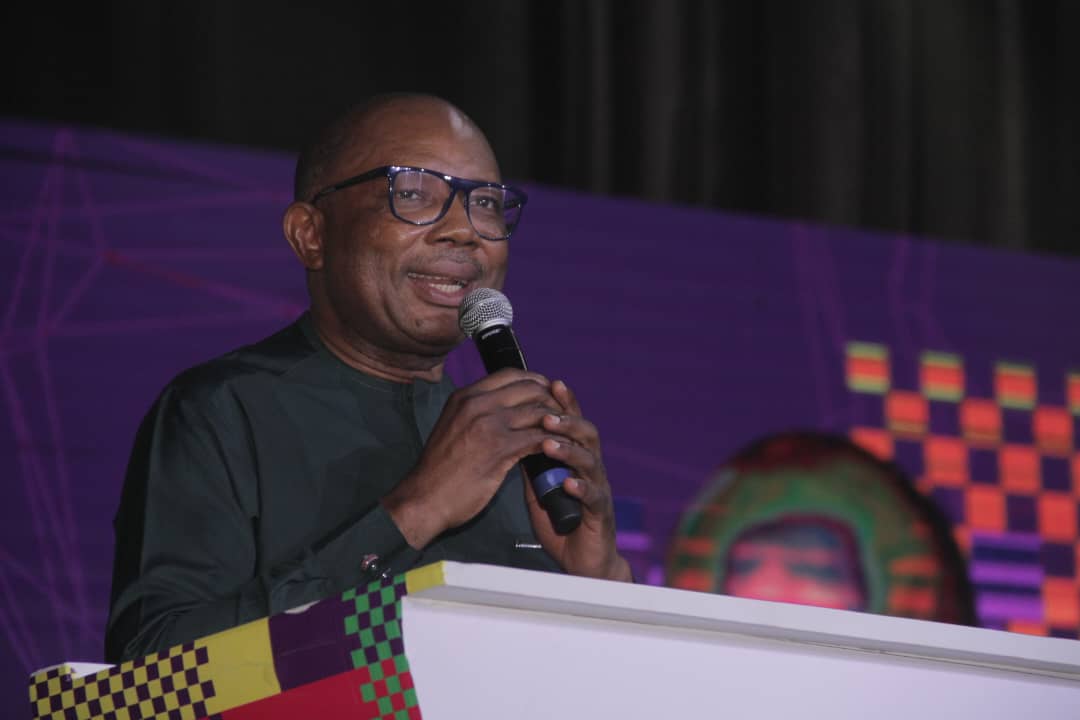
Aristotle Onumo, NITDA's director of stakeholder management and partnerships, represented the agency's director-general, Kashifu Inuwa Abdullahi, at the event. He explained that the global economy is transitioning swiftly toward knowledge and digital capabilities. Countries prioritizing investments in digital skills, artificial intelligence, cybersecurity, cloud computing, and data analytics will be better positioned to generate employment, secure investments, and remain competitive globally.
The Shift From Oil To Digital Innovation
"The future is not something we inherit; it is something we build. Nigeria's greatest resource is not oil but its people. Our ability to develop digital talent, foster innovation and create enabling ecosystems will determine our competitiveness in the digital age," Abdullahi stated.
While Nigeria remains a major oil producer in Africa, experts argue that long-term economic stability relies on building a robust digital economy. The expo, themed "Syntropy: Collective Futures – Systems, Solutions, Synergy and Societies," brought together tech leaders, policymakers, startup founders, academics, and investors to discuss how technology can accelerate development.
Unlocking Talent Through Strategic Frameworks
Leveraging Nigeria's youth population was a central theme at the event. With millions of young people entering the workforce annually, the technology sector is viewed as vital for creating job opportunities and reducing unemployment. To support this, NITDA highlighted its Strategic Roadmap and Action Plan (SRAP 2.0), which targets digital literacy, emerging technologies, cybersecurity, and digital infrastructure.
The agency also presented initiatives like the Digital Literacy for All programme, the National Centre for Artificial Intelligence and Robotics (NCAIR), and programmes managed by the Office for Nigerian Digital Innovation designed to prepare citizens for the digital future.
Overcoming Ecosystem Challenges
Despite the growth of Nigeria's startup ecosystem, participants at the expo pointed out that inadequate infrastructure, limited funding, and digital skills gaps continue to hinder progress. Discussions also focused on transforming the Niger Delta into a major technology hub to attract startups and investors, moving the region beyond its traditional reliance on the oil and gas sector.
What this means for Africa: Nigeria is actively shifting its economic focus from oil to digital talent and artificial intelligence to drive long-term development across the continent's largest economy.
This digest was compiled from:
Share this digest
People Also Ask
- MarkHack 5.0 Launches in Lagos to Address AI Personalisation and the Culture Algorithm
MarkHack 5.0 will gather African innovators in Lagos to explore how artificial intelligence and data-driven systems shape modern consumer experiences.
- Nobel-Winning Economist Daron Acemoglu Shares His AI Concerns
Nobel-winning economist Daron Acemoglu highlights AI agents' limitations and the industry's push to shape the economic narrative around job concerns.
- The Rise of the Silicon Savannah: How Africa is Redefining the Global Outsourcing Market
Africa is emerging as a global outsourcing powerhouse, with seven countries ranking in the top 25 of the Ataraxis Global Outsourcing Talent Index.